The Battle of Los Angeles: A Night of Mystery
The night of February 24, 1942, will forever be etched in the annals of American history as one of the most bizarre and unexplained events of World War II. The Battle of Los Angeles, as it came to be known, was a mysterious aerial encounter that took place over the city of Los Angeles, California, leaving behind a trail of confusion, speculation, and unanswered questions. Despite numerous investigations and theories, the true nature of the event remains a topic of debate among historians and experts to this day.
The Events of the Night
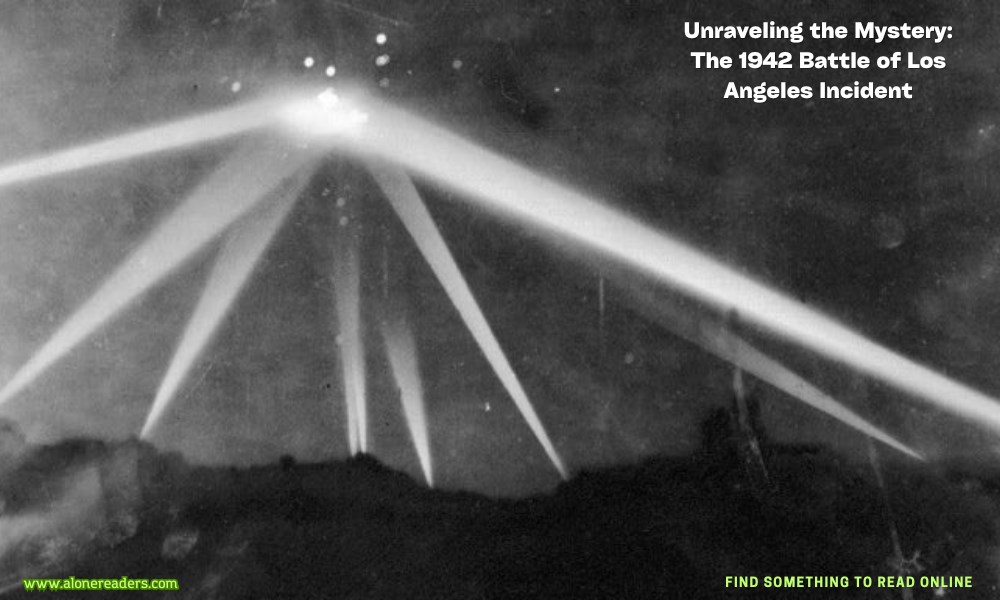
On that fateful evening, anti-aircraft guns began firing on unidentified flying objects (UFOs) that were said to be hovering over the city. The air raid sirens blared, and panic spread among the residents of Los Angeles. Reports of explosions and aerial dogfights filled the airwaves, as if the city was under attack. However, as the night wore on, it became clear that something was amiss.
The military quickly dispatched aircraft to investigate the situation, but they found nothing. The unidentified objects seemed to have vanished into thin air. The anti-aircraft guns, which had been firing in all directions, had caused widespread damage to buildings and vehicles, but no enemy aircraft were found. It was as if the entire event had been a massive false alarm.
Theories and Investigations
Since the Battle of Los Angeles, numerous theories have emerged to explain what happened that night. Some believe that the unidentified objects were a German bomber plane, attempting to launch a surprise attack on the United States. Others speculate that it was a group of Japanese planes, trying to test the city's defenses. However, these theories have been largely debunked by historians and experts.
One of the most popular theories is that the unidentified objects were a result of a combination of psychological and environmental factors. It is suggested that the stress and anxiety of the war, coupled with the intense media coverage of the Japanese attack on Pearl Harbor just a few months prior, may have contributed to the widespread hysteria and panic that night.
The Role of Media and Propaganda
The media played a significant role in fueling the frenzy of the night. Radio stations and newspapers were filled with reports of aerial attacks and enemy planes. The Los Angeles Times reported that "Japanese aircraft were seen dropping bombs over the city," while the Los Angeles Examiner claimed that "anti-aircraft guns were firing at enemy planes." However, these reports were later found to be exaggerated and inaccurate.
The media's sensationalized coverage of the event was fueled by the government's propaganda efforts. The United States was still reeling from the attack on Pearl Harbor, and the military was eager to prove that they were doing everything in their power to protect the country. The media, in turn, was eager to provide the public with a sense of security and reassurance. As a result, the Battle of Los Angeles became a media spectacle, with both sides contributing to the frenzy.
Legacy of the Battle of Los Angeles
The Battle of Los Angeles may have been a false alarm, but its impact on American history and popular culture cannot be overstated. The event marked a turning point in the country's perception of the war, as it highlighted the nation's vulnerability to aerial attacks and the importance of air defense systems.
The Battle of Los Angeles also had a significant impact on the development of UFOlogy and the modern concept of the "Roswell Incident." The event sparked a wave of interest in unidentified flying objects, leading to a flurry of sightings and reports throughout the 1940s and 1950s.
Key Figures and Quotes
One of the most notable figures associated with the Battle of Los Angeles was General John L. DeWitt, the commander of the Western Defense Command. According to DeWitt, "The shooting was the result of a combination of several factors, including bad weather, inadequate illumination, and the excitement of the people on the ground."
Deputy Director of the FBI, Edward Tamm, also played a key role in investigating the event. Tamm stated that "there was no evidence of any enemy aircraft in the area" and that "the unidentified objects were likely a result of a combination of human error and psychological factors."
Facts and Figures
Here are some key facts and figures related to the Battle of Los Angeles:
- February 24, 1942: The night of the Battle of Los Angeles.
- 10:00 PM: Anti-aircraft guns began firing on unidentified flying objects.
- 2,000 rounds: The estimated number of rounds fired by anti-aircraft guns that night.
- 3:00 AM: The unidentified objects disappeared, and the anti-aircraft guns ceased fire.
- 23 civilians injured: The estimated number of civilians injured during the night.
- 80 aircraft: The number of aircraft deployed by the military to investigate the situation.
Conclusion
The Battle of Los Angeles remains one of the most enduring and mysterious events of World War II. Despite numerous investigations and theories, the true nature of the event remains a topic of debate among historians and experts. However, one thing is clear: the night of February 24, 1942, will forever be remembered as a night of mystery, a night that will continue to captivate and intrigue us for generations to come.