Unforgettable 1832: The Year that Changed the Course of History
The year 1832 was a pivotal moment in history, marked by significant events that would shape the world as we know it today. From the Reform Act in the UK to the Cherokee Nation's struggle for self-governance in the United States, 1832 was a year of transformative change that continues to resonate with us today. As historian and author, Eric Foner, notes, "The year 1832 was a time of great ferment and upheaval in the United States, marked by the rise of new social and economic forces that would challenge the existing order and shape the course of American history." In this article, we'll take a closer look at the key events and historical highlights of 1832, a year that was truly unforgettable.
Reform and Revolution in the UK
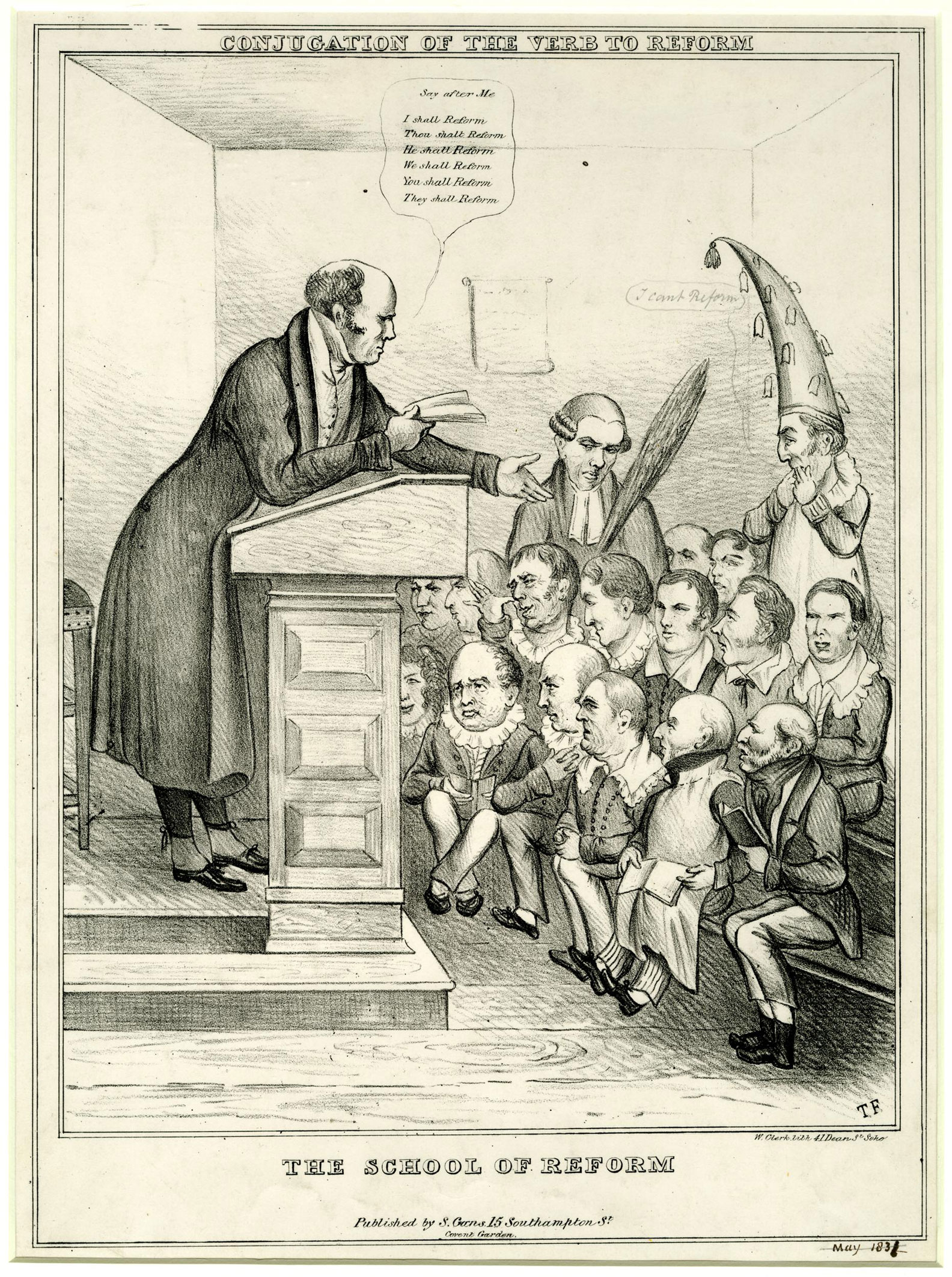
The Reform Act, passed in the UK in 1832, was a major milestone in British history, aimed at addressing the growing demands for electoral reform and representation. As the UK's population grew and the economy expanded, it became clear that the existing electoral system was no longer fit for purpose. The Reform Act, which was championed by Prime Minister Charles Grey, introduced key reforms, including:
• The expansion of the male suffrage, extending the right to vote to more men
• The re-distribution of seats in the House of Commons
• The abolition of rotten boroughs, where representation was often based on wealth rather than population
The Reform Act was a significant step towards greater democracy and representation in the UK, and its impact was felt beyond British shores. According to historian, David Vincent, "The Reform Act of 1832 was a crucial moment in the spread of democratic ideas, influencing movements for reform and democratization across the world."
Key Figures: Charles Grey and William IV
Two key figures played crucial roles in the passage of the Reform Act: Prime Minister Charles Grey and King William IV. Charles Grey, also known as the Second Earl Grey, was a leading advocate for reform and a strong proponent of the Act. He stated in Parliament, "We must, by a general reform, give the people a fair representation of the country." King William IV, who ascended to the throne in 1830, initially resisted the reforms, but eventually came to see the wisdom of the Act.
The Cherokee Nation's Struggle for Self-Governance
The Cherokee Nation, a tribe indigenous to the southeastern United States, faced significant challenges in 1832 as they struggled for self-governance and land rights. The Indian Removal Act, signed into law by President Andrew Jackson in 1830, had led to the forced relocation of thousands of Native Americans, including the Cherokee. In 1832, the Cherokee Nation appealed to the United States Supreme Court, arguing that the Indian Removal Act was unconstitutional.
The Cherokee Nation vs. Georgia
The Supreme Court case, known as Cherokee Nation vs. Georgia, was a landmark decision that ultimately reaffirmed the sovereignty of Native American tribes. In a ruling delivered on March 12, 1832, Chief Justice John Marshall wrote, "The Cherokee Nation, then, is a distinct community, occupying its own territory, with boundaries accurately described, in which the laws of Georgia can have no force, and which the citizens of Georgia have no right to enter but with the assent of the Cherokee themselves." Although the ruling did not immediately stop the forced relocation of the Cherokee, it marked a significant victory for Native American rights and paved the way for future struggles for self-governance.
The Great Fire of New York City
On December 16, 1832, a devastating fire swept through the city of New York, destroying large sections of Manhattan and causing significant economic losses. The fire, which began in a print shop on the corner of Park Row and City Hall, rapidly spread, fuelled by strong winds and largely wooden buildings.
The Fire's Aftermath
The Great Fire of New York City was a turning point in the history of the city, leading to significant changes in building codes and fire safety regulations. As historian, Elizabeth Blackmar, notes, "The fire marked a major shift in the way New Yorkers thought about their city and its future." The fire also highlighted the importance of preparedness and emergency planning, with the city's first fire department and fire protection measures being established in the aftermath.
The Death of Maria Stewart
In 1832, Maria Stewart, a pioneering African American orator and abolitionist, delivered a series of lectures calling for greater equality and an end to slavery. Born in 1803, Stewart was known for her passionate speeches, which challenged the racist attitudes of her time. She stated, "Let us prove ourselves worthy of the confidence of those who have freed us, and make them see that we will not be idle or indifferent in the cause of our own liberty." Stewart's advocacy for women's rights and an end to racism made her a prominent figure in the abolitionist movement.
Legacy: Maria Stewart and the Fight for Equality
Today, Maria Stewart is recognized as a pioneering figure in the fight for equality, her legacy inspiring future generations of activists and leaders. As historian, Darlene Clark Hine, notes, "Maria Stewart's work laid the foundation for future movements for women's rights and racial justice, demonstrating that the struggle for equality is a ongoing and collective effort." Stewart's commitment to social justice and her advocacy for the rights of marginalized communities continues to inspire us today.
The year 1832 was a turning point in history, marked by significant events that had far-reaching consequences. From the Reform Act in the UK to the Cherokee Nation's struggle for self-governance and the Great Fire of New York City, 1832 was a year of transformative change that continues to shape our world today.